Introduction
In a world that's constantly evolving, the art of dance remains a timeless expression of culture, emotion, and identity. Two prominent styles that have captured the hearts of many are ballet and jazz. Each has its own unique characteristics, history, and emotional resonance. But how do these two dance styles serve as bridges between generations? This article delves deep into the realms of ballet and jazz, exploring their origins, techniques, cultural significance, and the profound connections they foster across different age groups.
Bridging Generations Through Dance: Is it Ballet or Jazz That Connects Us?
Dance is not merely a set of movements; it is a language that transcends time and space. The question arises: Is it ballet or jazz that truly connects us across generations? To answer this, we must first understand what each dance style represents.
Understanding Ballet: A Historical Insight
Ballet originated during the Italian Renaissance in the 15th century before blossoming in France and Russia. It's known for its grace, precision, and elaborate storytelling through movement. Ballet emphasizes technique, with an emphasis on formality and structure.
The Evolution of Ballet
Over the centuries, ballet has evolved significantly. From classical ballets like "Swan Lake" to contemporary interpretations seen today in modern performances, ballet's adaptability speaks volumes about its ability to resonate with diverse audiences.
Ballet as a Cultural Connector
Ballet has often been used as a means of cultural expression. Countries around the world have adapted ballet to incorporate their own traditions and stories. For instance, "The Nutcracker" is performed globally yet retains distinct cultural touches depending on where it's staged.
Exploring Jazz: A Vibrant Narrative
Jazz dance emerged from African American musical traditions in the early 20th century. It’s characterized by its energetic rhythms and improvisational nature.
The Roots of Jazz Dance
Jazz began in New Orleans with influences from African rhythms and European music. Its dynamic style reflects a rich tapestry of cultural influences that continue to evolve.
Jazz Dance in Modern Culture
Jazz dance has morphed into various sub-genres such as contemporary jazz, lyrical jazz, and street jazz. Each variation holds its own flair while keeping alive the improvisational spirit fundamental to jazz.
Comparative Analysis: Ballet vs. Jazz
When comparing ballet and jazz as connecting mediums across generations, one can see that both share commonalities yet diverge in significant ways.
Technical Aspects of Each Style
| Aspect | Ballet | Jazz | |-------------|--------------------------------|--------------------------------| | Technique | Highly structured | Emphasizes improvisation | | Structure | Classical forms | Fluidity in choreography | | Music | Often orchestral | Varied genres including blues |
Why Do People Connect With These Styles?
Whether it's through the disciplined elegance of ballet or the spirited freedom found in jazz, people connect with these styles for varied reasons:
Emotional Expression: Both styles allow dancers to express emotions uniquely. Cultural Heritage: Many find comfort in their roots through traditional practices. Community Building: Dance classes promote camaraderie among participants from different backgrounds.The Role of Dance Studios in Bridging Generations
Dance studios often serve as communal hubs where different ages come together to learn and grow through dance.
Intergenerational Classes
Many studios offer classes tailored for all age groups—from toddlers taking their first steps to seniors looking for ways to stay active while enjoying themselves.
Collaboration Across Ages
Intergenerational performances foster collaboration between seasoned dancers and novices alike—creating bonds that often transcend generations.
Parent-Child Duos: A Unique Experience
Imagine a mother-daughter duo stepping onto the same stage—one performing classical ballet while the other showcases vibrant jazz moves!
Shared Experiences Through Recitals
Recitals often act as milestones where families celebrate achievements together—a potent reminder of how dance can unite people regardless of age.
The Emotional Connection Between Dance Styles
Both ballet and jazz evoke profound Check over here emotional responses that resonate deeply within individuals—whether it's joy after mastering a pirouette or exhilaration after nailing an upbeat jazz routine.
Therapeutic Benefits of Dance
Engaging in either style can also yield therapeutic benefits:
- Reduces stress Increases confidence Promotes social interaction
How Technology Influences Dance Connections Today
With technology advancing at breakneck speed, how does this impact our connection to these beloved dance styles?
Online Platforms for Learning Dance Styles
Platforms like YouTube or specialized apps allow individuals from all walks of life to access tutorials ranging from beginner ballet steps to advanced jazz techniques—all at their fingertips!
Virtual Performances Uniting Dancers Worldwide
During challenging times like pandemics, virtual performances have allowed dancers worldwide to showcase their talent while bridging gaps caused by distance.
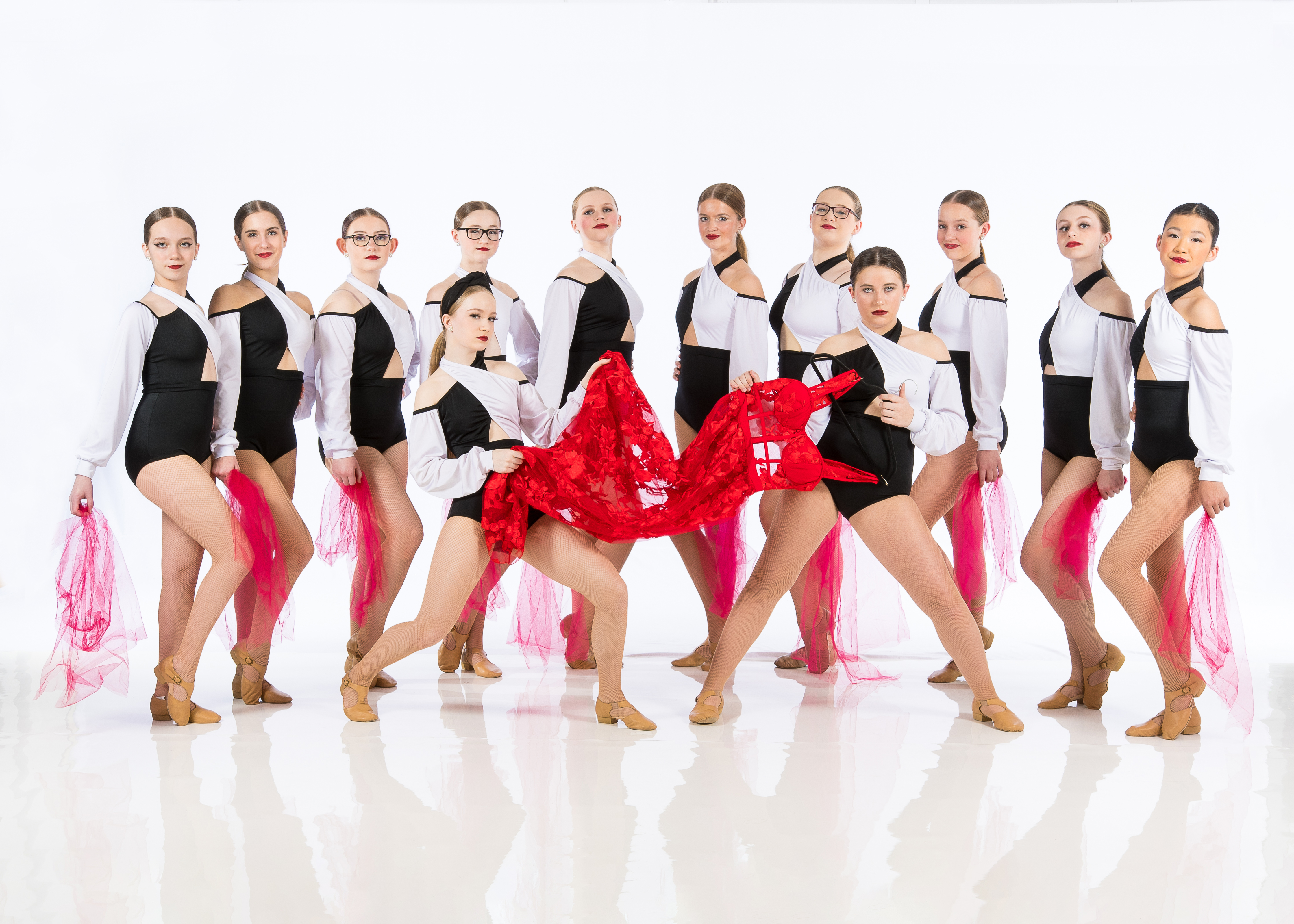
Cultural Significance: What Does Each Style Represent?
Ballet often symbolizes tradition and discipline while representing elegance with its historical roots intertwined with royal courts. In contrast:
- Jazz symbolizes freedom—allowing individuality within performance. It serves as an outlet for social commentary reflecting societal changes over decades.
Celebrating Diversity Through Dance Styles
Both dance styles encourage diversity—in choreography choices as well as stylistic interpretations—allowing dancers from various backgrounds to come together seamlessly on stage!
Global Festivals Showcasing Talent Across Regions
International festivals celebrating both styles provide platforms for performers worldwide—fostering appreciation for differing perspectives within each genre!
Dance Style Education: Teaching Future Generations
Educators play pivotal roles when it comes down educating future generations about these sacred forms—how can they effectively impart knowledge?
Curriculum Development Focused on Inclusivity
Developing curricula emphasizing diversity ensures students appreciate both histories equally while understanding how they intertwine today!
FAQs
What are key differences between ballet & jazz?
Ballet is structured & formal whereas jazz is fluid & spontaneous focusing on rhythm & improvisation.
Can I learn both styles simultaneously?
Absolutely! Many dancers find learning multiple styles enriching & beneficial for overall skill development.
Is there an age limit for starting dance lessons?
Not at all! People of all ages—from toddlers up through seniors—can benefit from engaging with either style!
How does dance help bridge generational gaps?
Shared experiences through classes & performances create bonds among different age groups promoting understanding!
Are online courses effective?
Yes! Online platforms provide accessibility allowing learners flexibility enabling them pursue interests at their pace!
li14/ol2/##
Conclusion
As we’ve explored throughout this article titled "Bridging Generations Through Dance: Is it Ballet or Jazz That Connects Us?", both ballet and jazz serve not only as artistic expressions but also powerful vehicles uniting people across generations. They invite us into their worlds—the majestic elegance of ballet alongside the spirited energy inherent within jazz—all while forging connections that endure through shared experiences passed down over time! So whether you prefer pirouettes or syncopated rhythms remember—the most vital aspect lies within unity achieved through art itself!